
CHIRAG
Course: Fabric Construction
Guided by: Arnab Senapati
Duration: 17//04/2023 - 12/04/2023
Brief:
The project involves selecting an intangible source of inspiration and creating fabric samples that reflect its form, shape, and the emotions it evokes. The goal is to develop a visually captivating and tactile collection of surfaces and textures.
Learning:
In the fabric construction course, I explored the interplay of light and shadow as a source of inspiration. Using various manipulations, I developed unique surfaces that captured the dynamic relationship between these elements. This process deepened my understanding of structure, texture, and form, allowing me to translate abstract concepts into tangible fabric designs that highlight the beauty of light and shadow.
Keywords:
BALANCE
ILLUSION
PROGRESSSION
HARMONY
REPETATIVE
ANGULAR
GEOMETRY
TRANSFORMING
DRAMATIC
DIMINISHING
Inspiration:
I chose the play of light and shadow as my inspiration because I am deeply captivated by the beauty and magic they create together. The way shadows shift and transform, creating shape-shifting illusions, feels both mesmerizing and divine.
There’s a poetic balance in how light and shadow coexist—one cannot exist without the other. This interplay of contrast and harmony has always fascinated me, and I find it an endless source of creative wonder.

SAMPLE LIBRARY
I II III IV V
Textile Folds
Sculpting Form and Function
Layers Revealed:
Crafting Through Reverse Appliqué
Laser Lines:
Precision in Cutting
Resist and Reveal: Clamp Dyeing in Design
Illuminated Looms:
Crafting Light with Fiber

CMS


TEXTILE FOLDS
Sculpting Form
TECHNIQUE
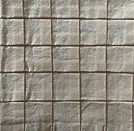
The process involved exploring pleating techniques to create unique textile surfaces using light weight muslin fabric. The result was a textile surface with pleated tessellation and repetition that, when placed against light, creates a structured interplay of shadow and light.




CMS
LAYERS REVEALED
Crafting Through Reverse Appliqué
TECHNIQUE
Here, I experimented with the reverse appliqué technique to create structured layering using muslin fabric as the base and mulmul cotton fabric for layering. Additionally, fabric stabilizer was placed beneath the mulmul cotton fabric to provide firmness.
.jpeg)


.jpeg)


.jpeg)

CMS


LASER LINES
Precision in Cutting
TECHNIQUE
A lot of faux leather used for covering vehicle seats goes to waste. I collected this leather and experimented with laser cutting on it. One approach was to create a surface that allows light to pass through. By designing patches with different cuts, they could be used as heavy curtains.
The leftover cutouts from laser cutting were stitched onto organza fabric, resulting in a striking and alluring new appearance


CMS

.jpeg)
RESIST & REVEAL
Clamp Dyeing in Design
TECHNIQUE
Clamp dyeing is a fabric dyeing technique where fabric is folded, pleated, or gathered and tightly clamped between flat surfaces like wooden blocks or metal sheets. Clamps or clips secure the fabric to create resist patterns. The fabric is then dyed, with dye penetrating only exposed areas while clamped sections remain undyed. This method creates unique patterns with sharp lines and geometric shapes. I experimented with clamp dyeing to achieve a gradient effect.

CMS


ILLUMINATED LOOMS
Crafting Light with Fiber
TECHNIQUE
The concept was to integrate glow-in-the-dark yarn into weaving techniques. While the idea slightly evolved, I aimed to explore how emitted light from yarns can create structures within textiles.


_edited.jpg)